Neopay
Replacing 500 Legacy POS Terminals with a High Performance Android App for Field Operations
Fintech
Android POS
Multi-Brand Design System
Year
2022
My Role
Product Designer
Team
1 - Product Manager
2 - Front-end developer
1 - Back-end developer
Tools
Figma
Figjam
Jira
Confluence
Client

The problem
The company relied on an obsolete fleet of 500 POS devices that operated on text-only command lines. This legacy infrastructure created significant operational bottlenecks, high error rates during utility billing, and a poor experience for field consultants who struggled with a slow, non-intuitive interface.
The company decided to replace the entire fleet with 3,000 POS Android devices. I was brought in as the sole designer to build the payment application from the ground up.
Design an Android POS application that takes full advantage of the device’s hardware, including the built-in camera and printer.
The solution needed to provide a fast, intuitive workflow to help operators deliver services efficiently, even under time pressure.
Accessibility was a key concern, as the app would often be used outdoors, in bright sunlight and by users with varying levels of digital literacy.
500 legacy POS replaced with
new Android terminals
Potential reach
Understanding the Product
Auditing the legacy command-line interface revealed that the absence of visual affordance created high cognitive load for operators, directly contributing to transaction errors and slow service times. Rather than iterating on the existing system, I treated this as a complete product rebuild from the ground up.
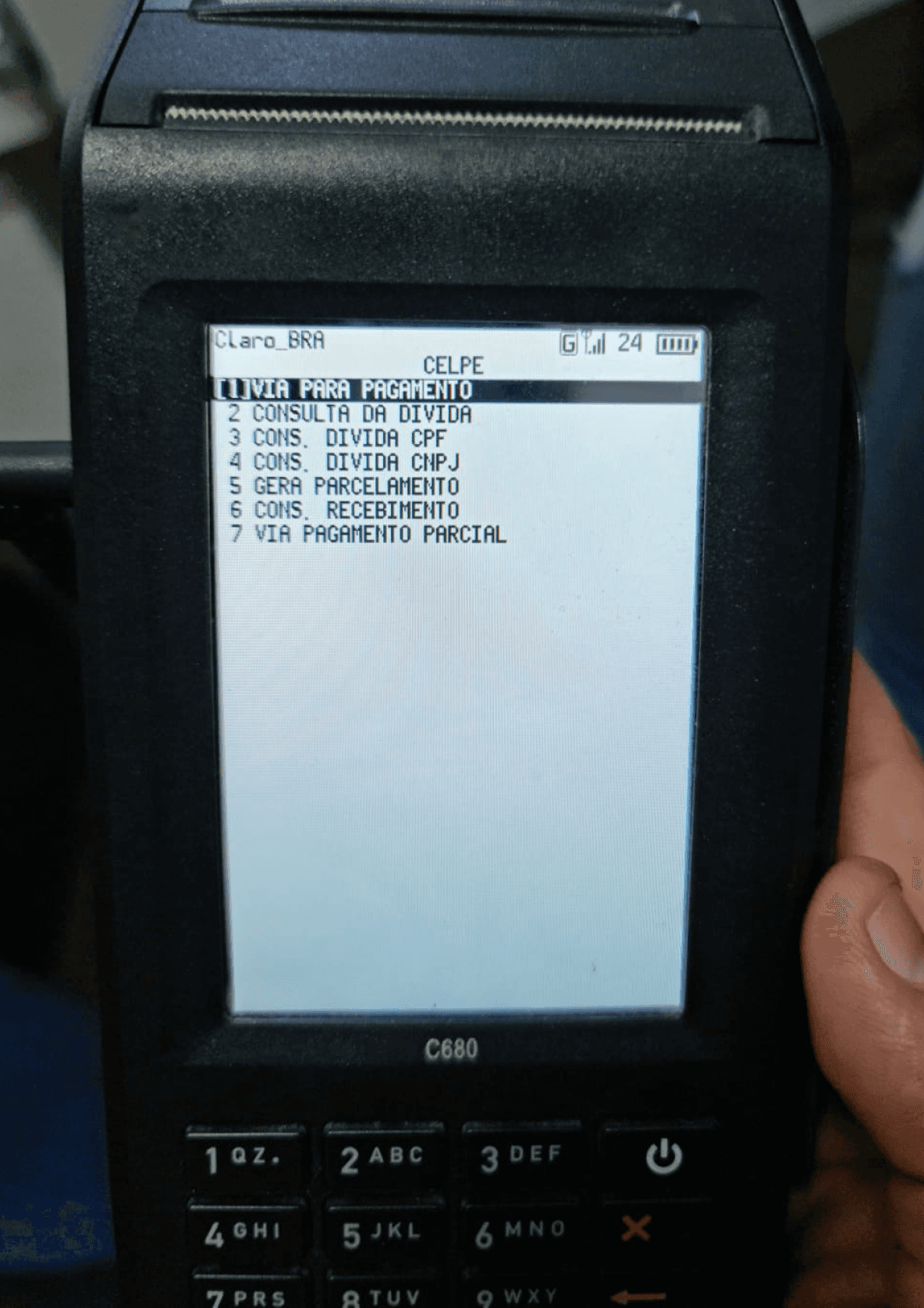
Old - POS Verifone VX680 (500 units)
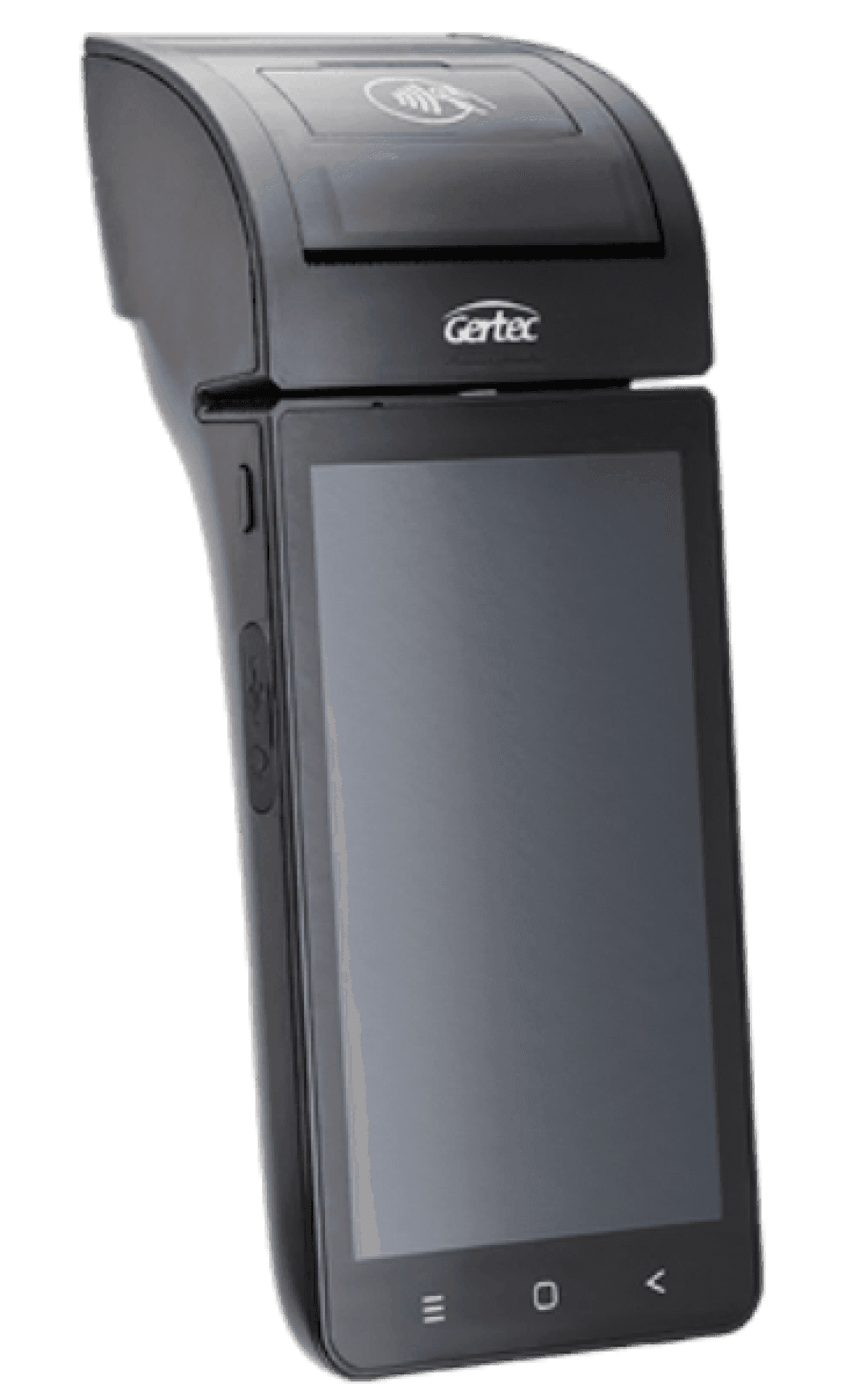
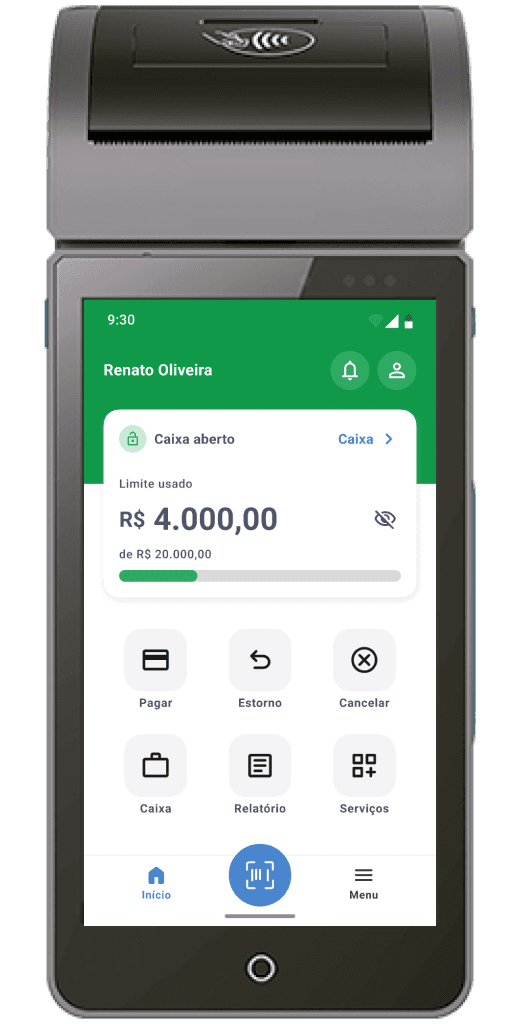
New - POS Gertec GPOS 700 (3.000 units)
Competitive analysis
I analyzed four major players across two categories to understand what the market had already solved and, more importantly, where it had left gaps. Three findings directly shaped what we built and what we chose not to build.


Stone and Cielo LIO are the most common POS devices in the Brazilian market, they are dedicated devices for making payments.


Mercado Pago and Picpay are apps for smartphones that can be installed by any user, with payment functions and other services.
Analysis Finds
Extensibility
While competitors allow third-party app installations to expand device functionality, they lacked a specialized flow for utility sector operations.
Transaction Flexibility
I discovered a significant friction point in existing solutions, none supported multiple cards or split payment methods within a single transaction.
Utility-Specific Gaps
Although most players support standard bill payments (boleto) and PIX, none offered a native, direct integration for energy bill settlements, which became our primary competitive advantage.
User Interviews
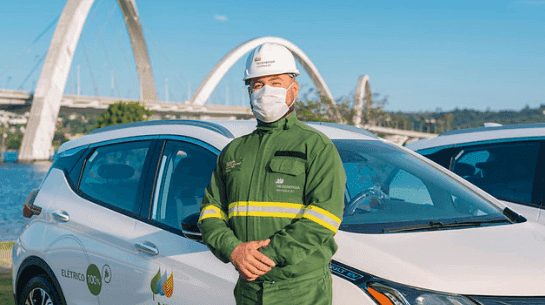
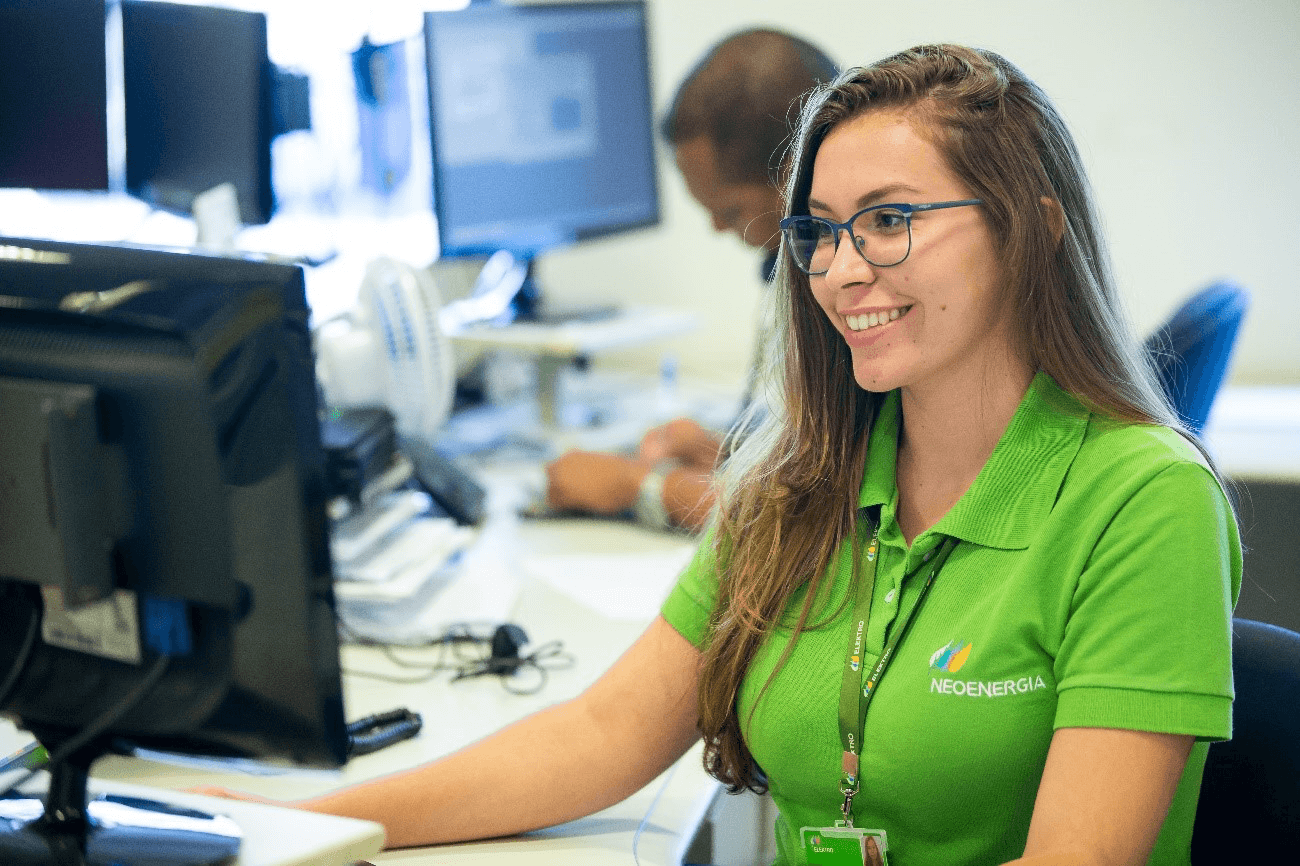
I conducted 4 contextual interviews with two distinct user types, internal operators stationed at Neoenergia service centers, and external field consultants visiting customer homes. The goal was to understand not just what was broken, but what a successful interaction looked like under real conditions.
"The POS is very slow and sometimes crashes, so taking a long time to serve the customer."
"I am unable to confirm the past payments on the POS beyond the printed receipt."
"The device does not have a camera to read the barcode or QR-Code."
“I have to pick up one account at a time, so taking a long time to complete customer service”.
"We don't have the possibility to pay with more than one card or other payment methods".
“I can't cancel a purchase through the POS, I have to call the company to cancel it”.
Key takeaways
Hardware Friction
The lack of an integrated camera for barcode scanning forced typing 44-digit barcode numbers manually, error-prone entry process.
This interview made the decision obvious: barcode scanning via camera should be the default payment entry point, not an optional shortcut. It eliminated manual entry errors and cut the time to initiate a transaction significantly.
Process Rigidity
They were losing 10–15 minutes per customer due the inability to cancel transactions directly on the POS or use multiple payment methods was a major bottleneck in customer service.
Environmental Constraints
Users reported that the current devices frequently crashed and were nearly impossible to read under direct sunlight.
Prioritizing
With the essential features discovered in research and some already defined by the client, we came up with a roadmap with what would be delivered on MVP and upcoming versions.
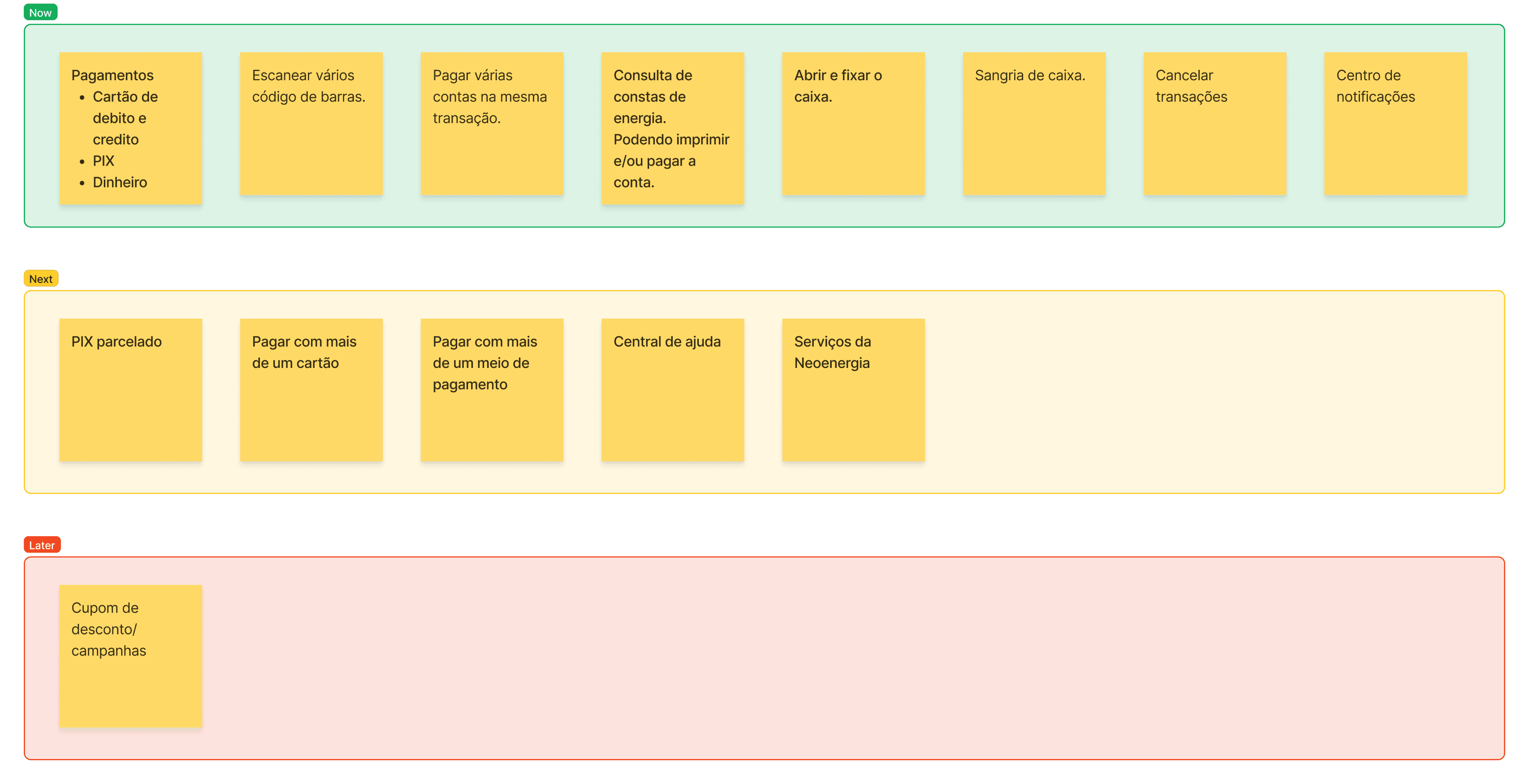
Prioritizing - Now / next / later
V1
MVP
Payment options: debit card, credit card, PIX, and cash.
Ability to scan barcodes from multiple slips and pay in a single transaction.
Energy bill consultations with the option to print and/or pay the bill.
Feature to enable and disable transactions.
Money transfer capabilities.
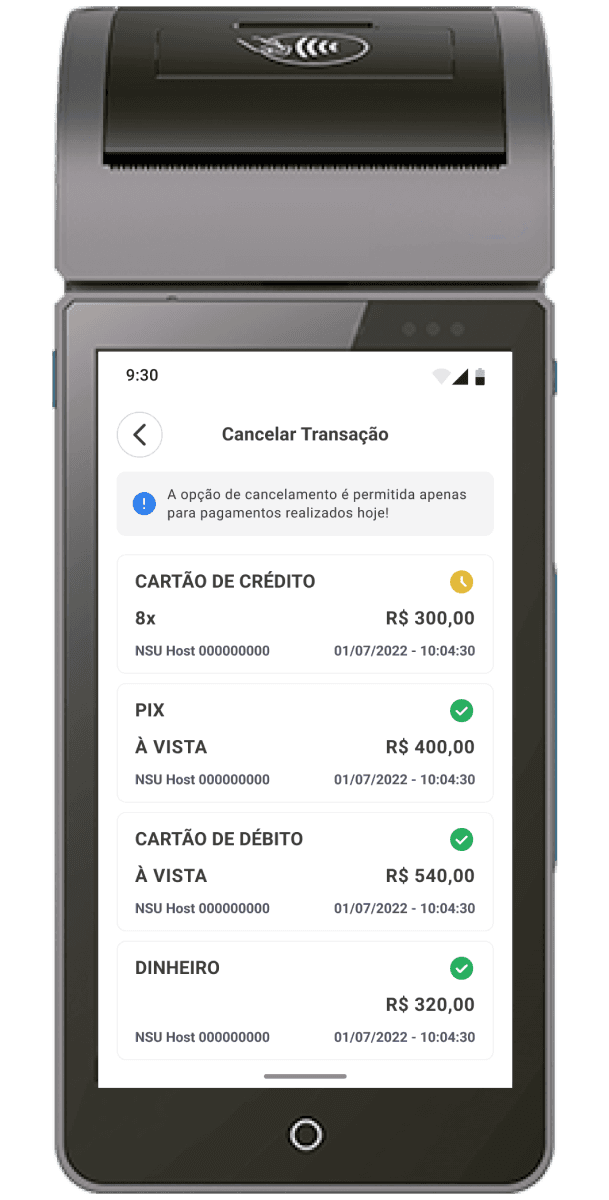
Transaction cancellation.
Notification center for updates and alerts.
V2
PIX installment payments (currently being developed in another company product).
Ability to use multiple payment methods in a single transaction.
Option to pay with more than one card.
Help Center for customer support.
Various additional services.
Option to apply discount coupons.
Sitemap
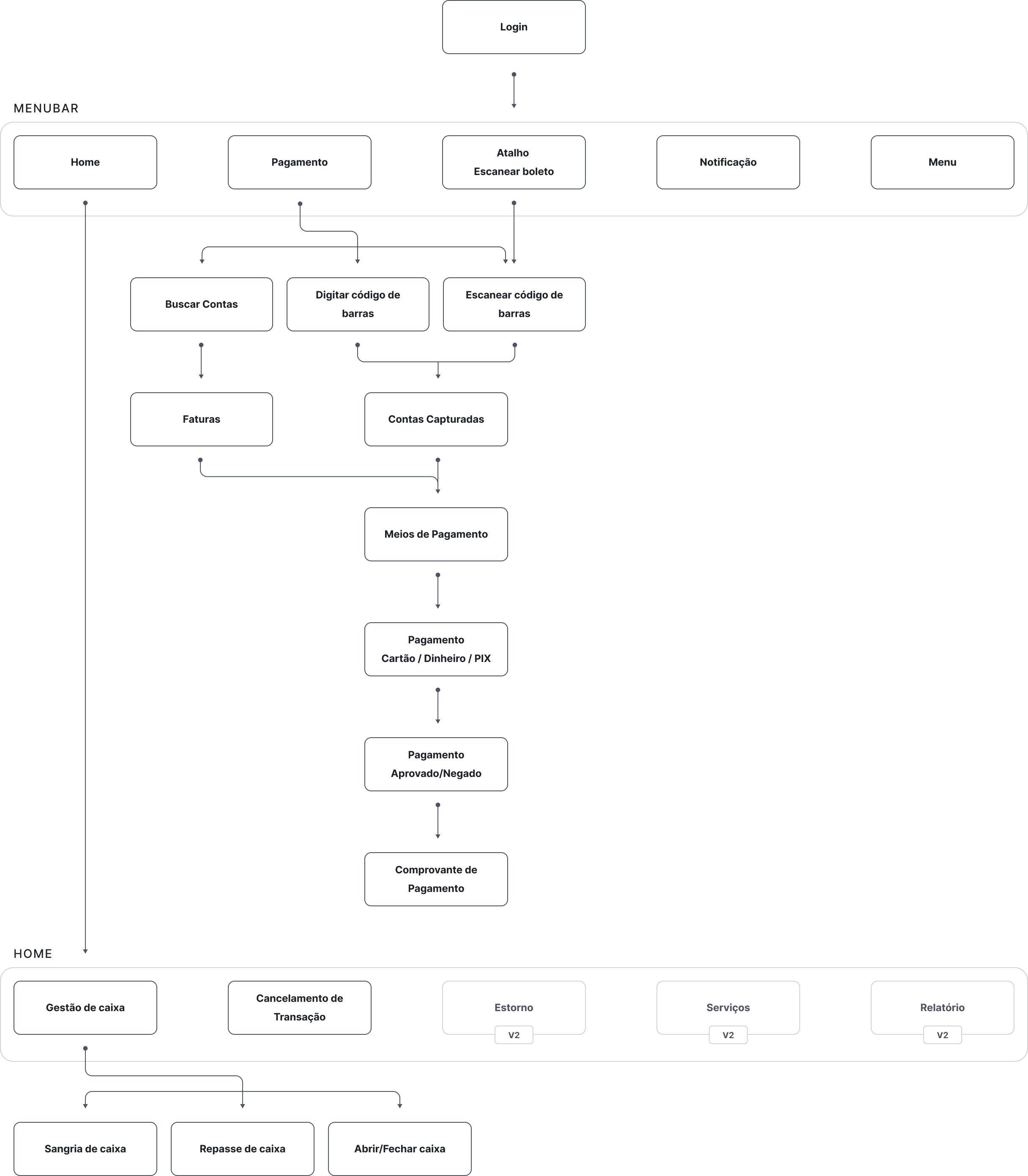
I designed the sitemap to provide a bird’s-eye view of the entire ecosystem, ensuring a logical flow that accounts for the project’s depth. The goal was to maintain a flat hierarchy, allowing field consultants to navigate from the home screen to a completed transaction in the fewest taps possible.
Design System Foundation
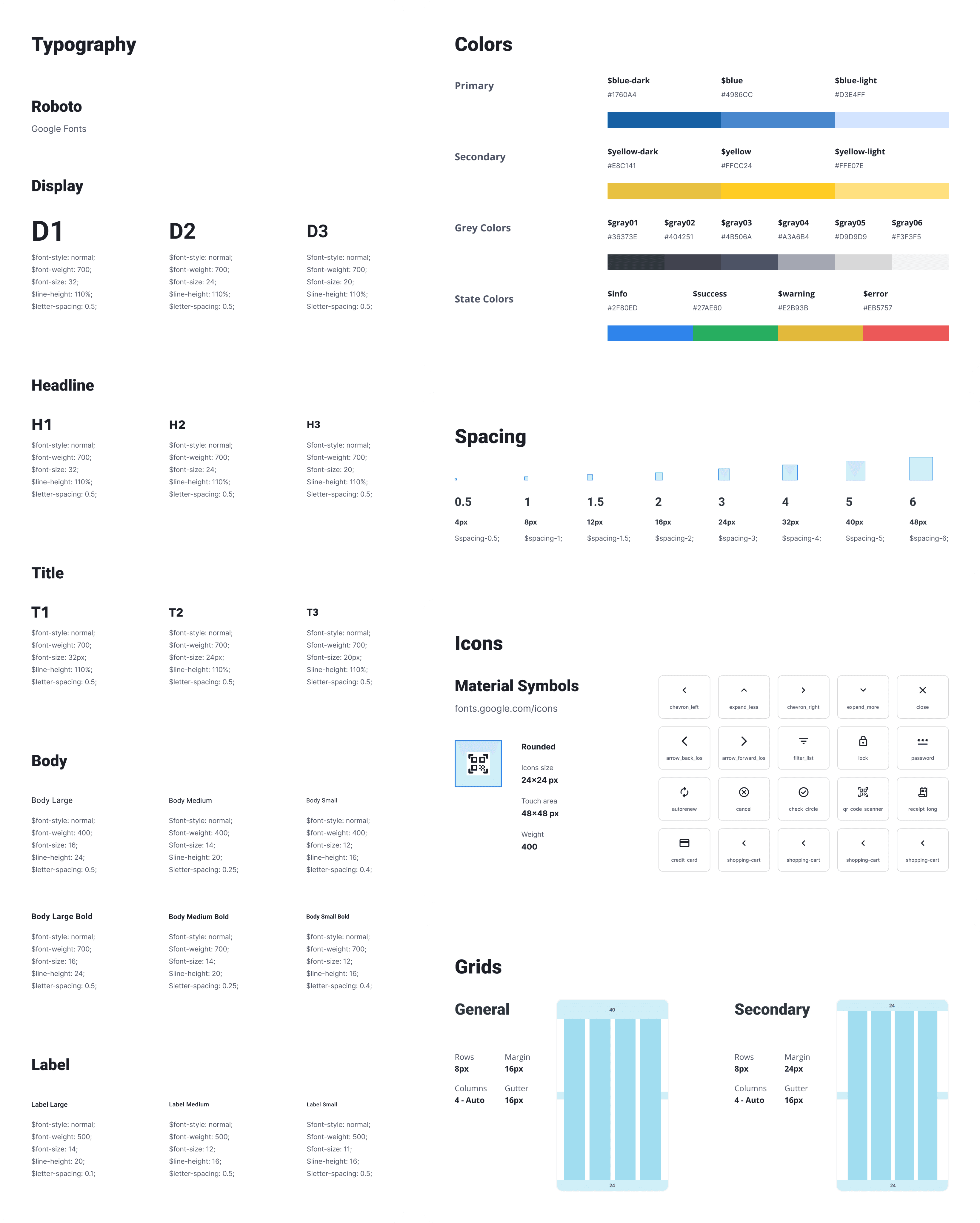
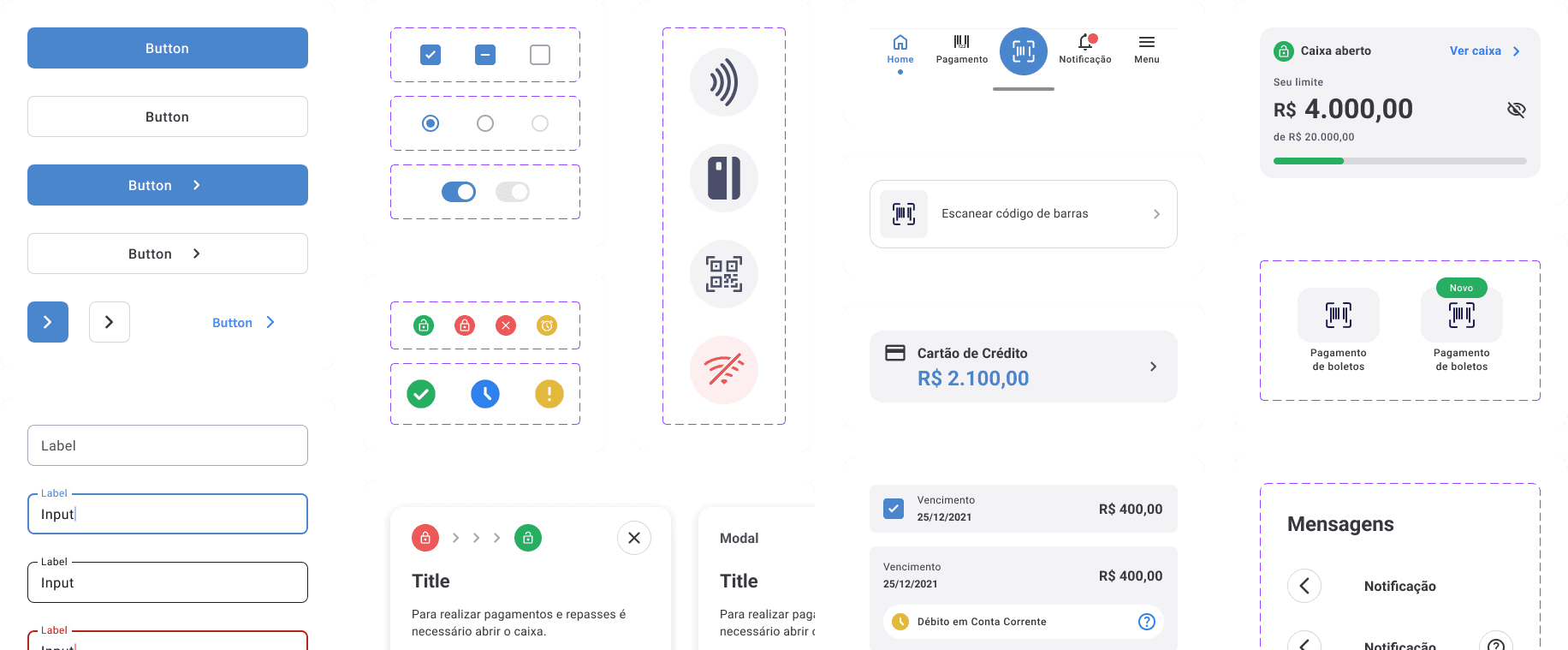
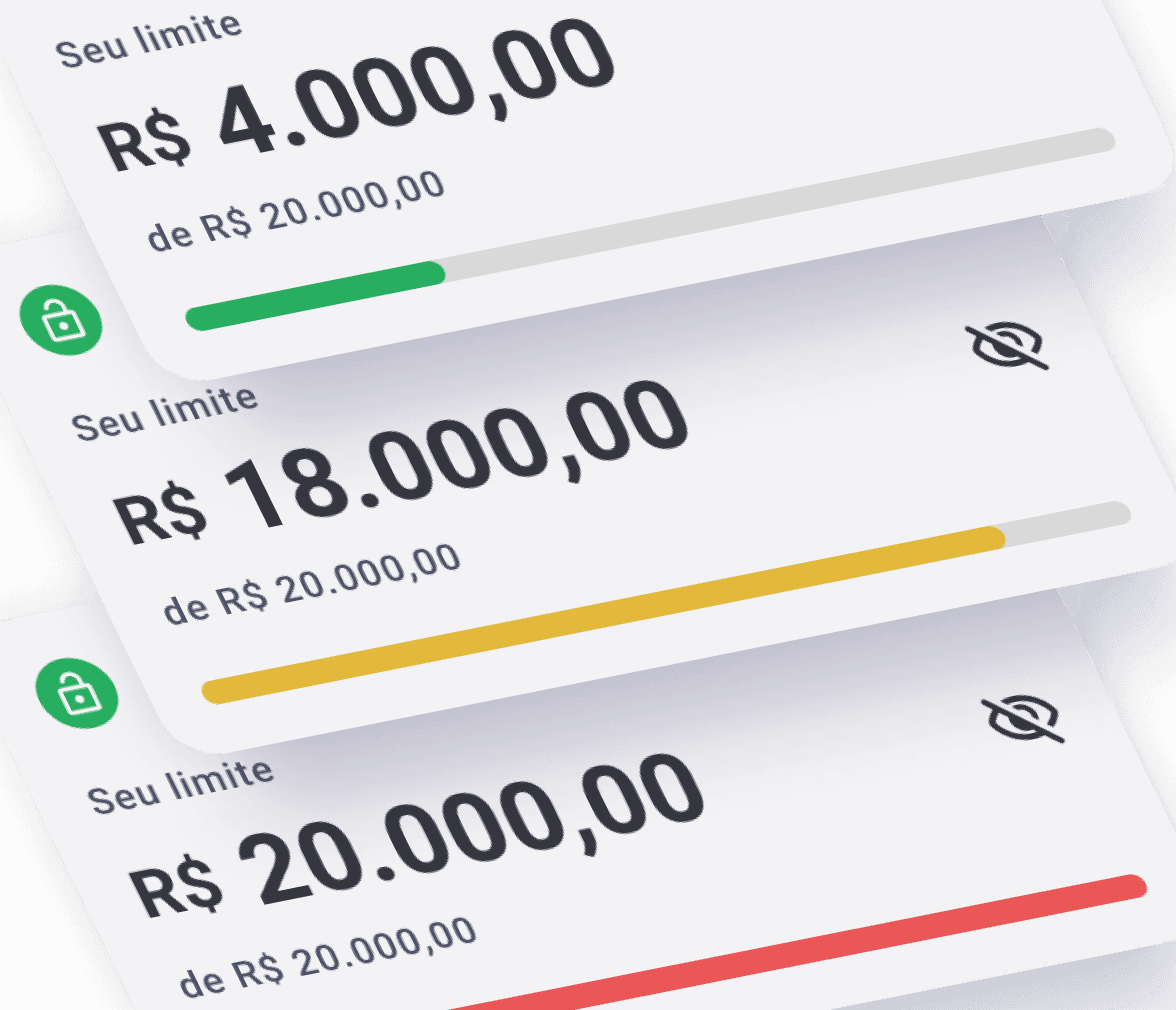
I established an atomic design system with semantic tokens, ensuring that the interface remained consistent and accessible across 3,000 devices, significantly reducing engineering friction during handoff.
Design and Core Features
The final solution is a high-performance interface designed for the rigors of field operations. By leveraging the Android POS hardware capabilities, I created a seamless bridge between complex utility data and an intuitive touch experience.
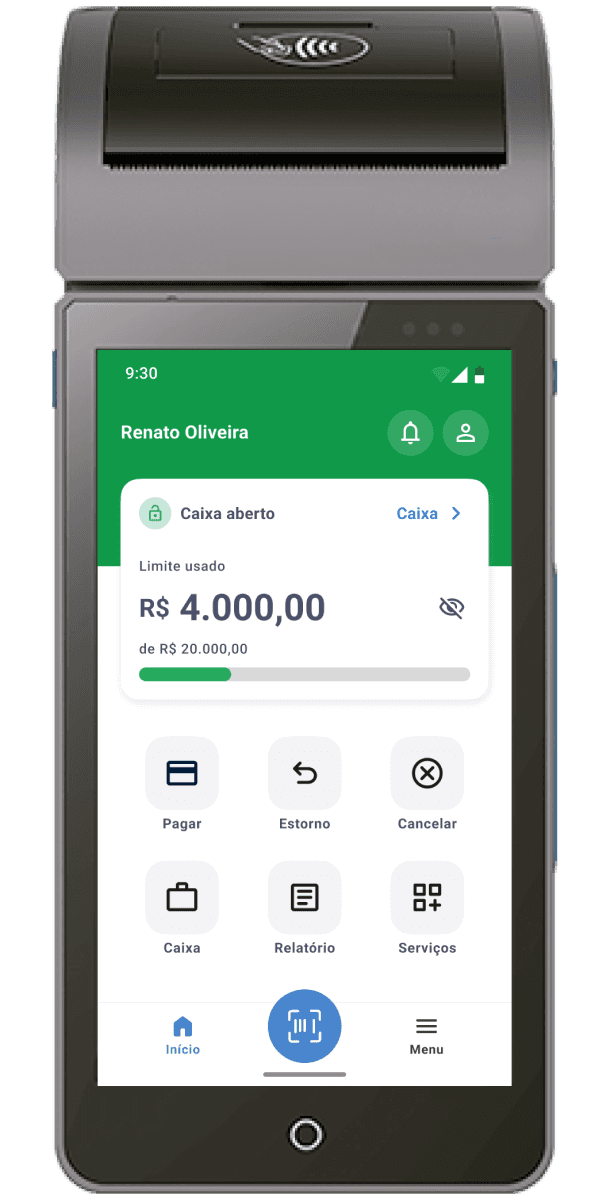
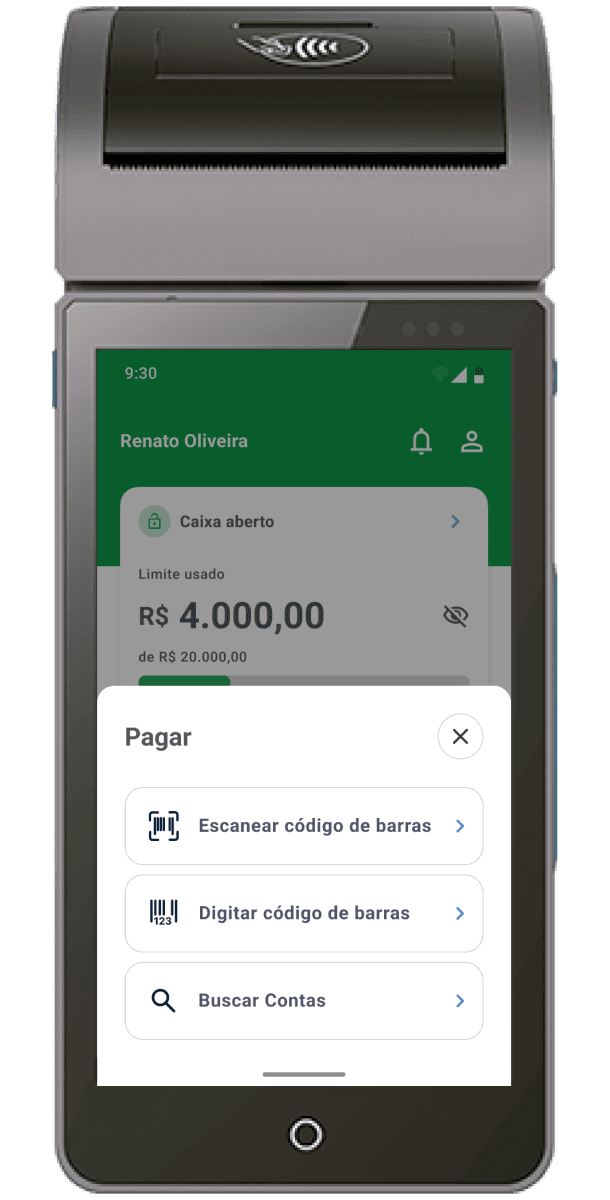
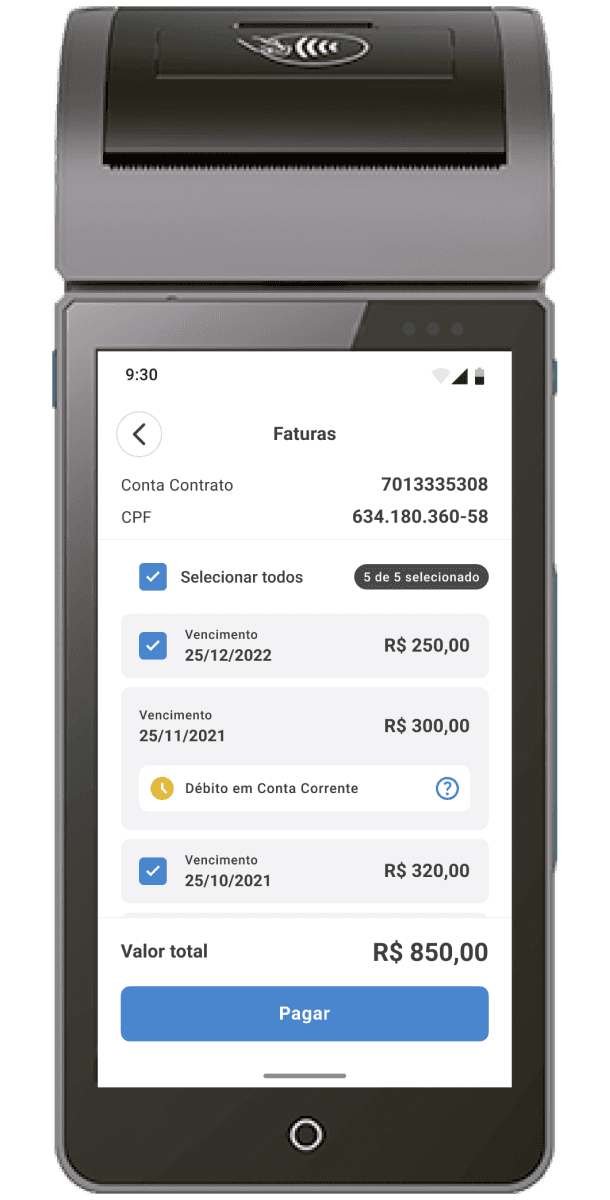
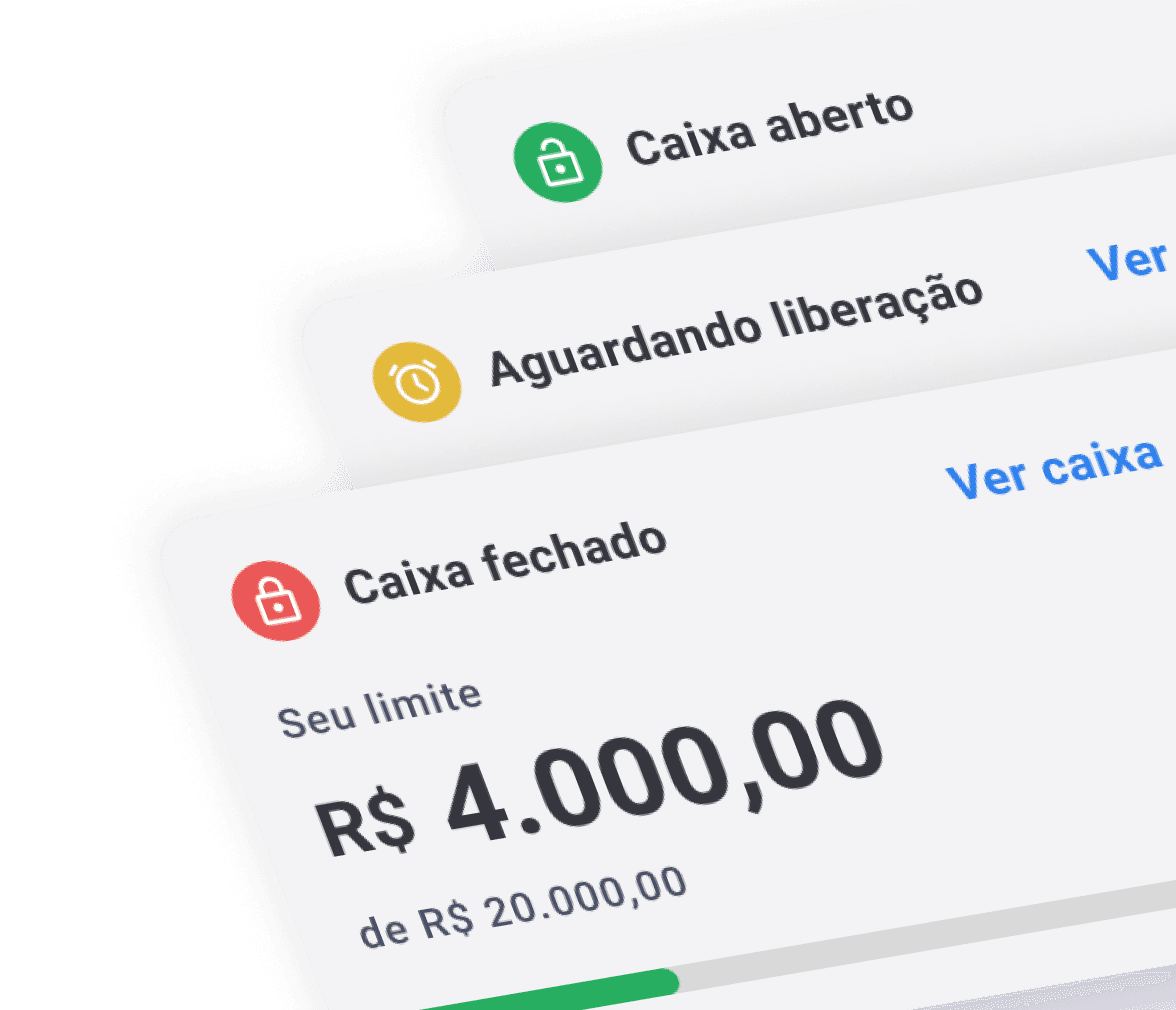
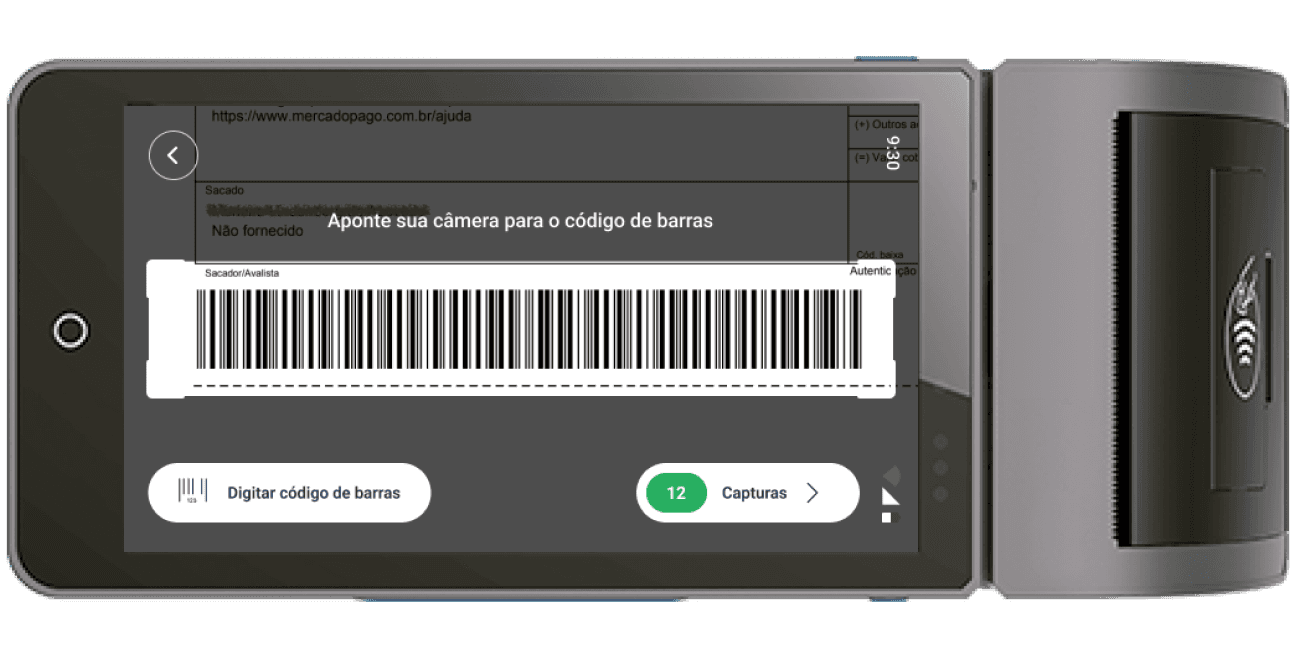
Scanning of payment slips
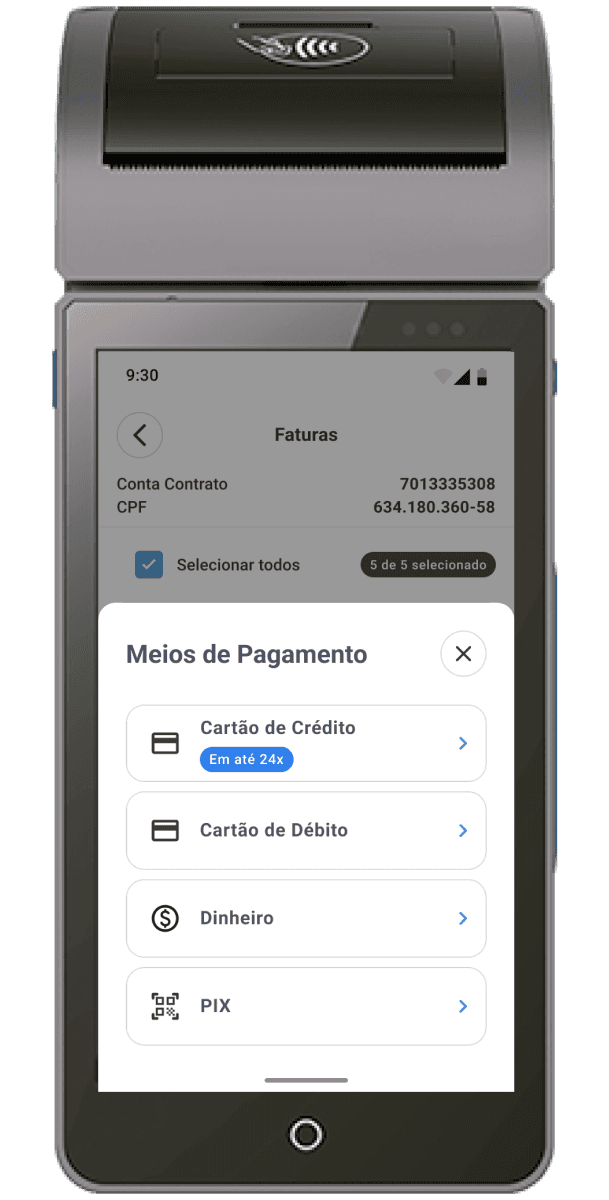
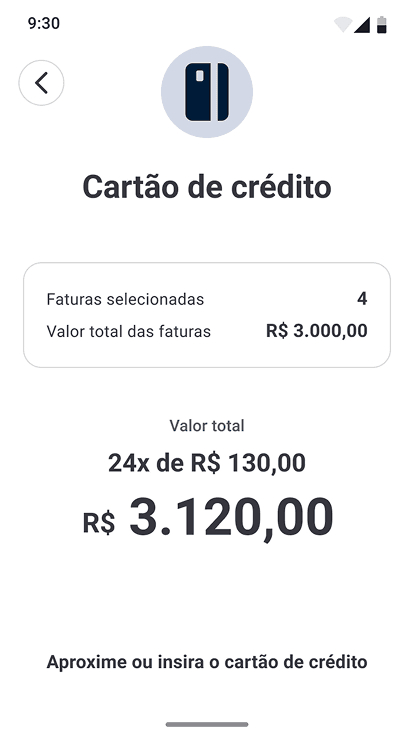
Credit card
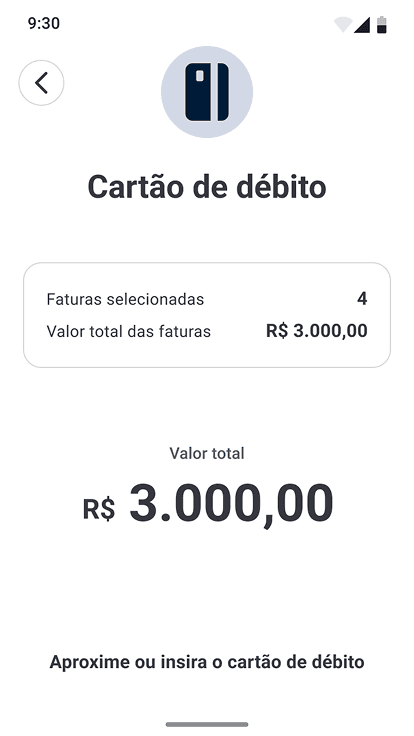
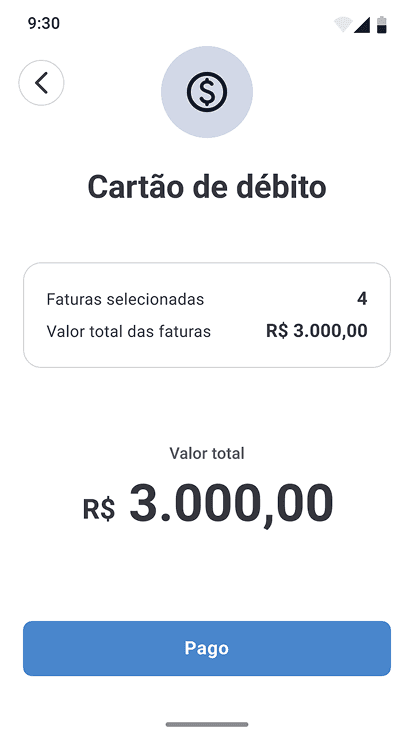
Debit card
Cash
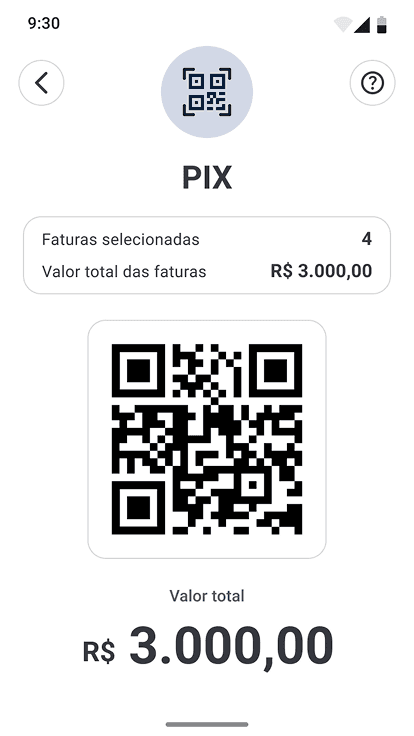
PIX
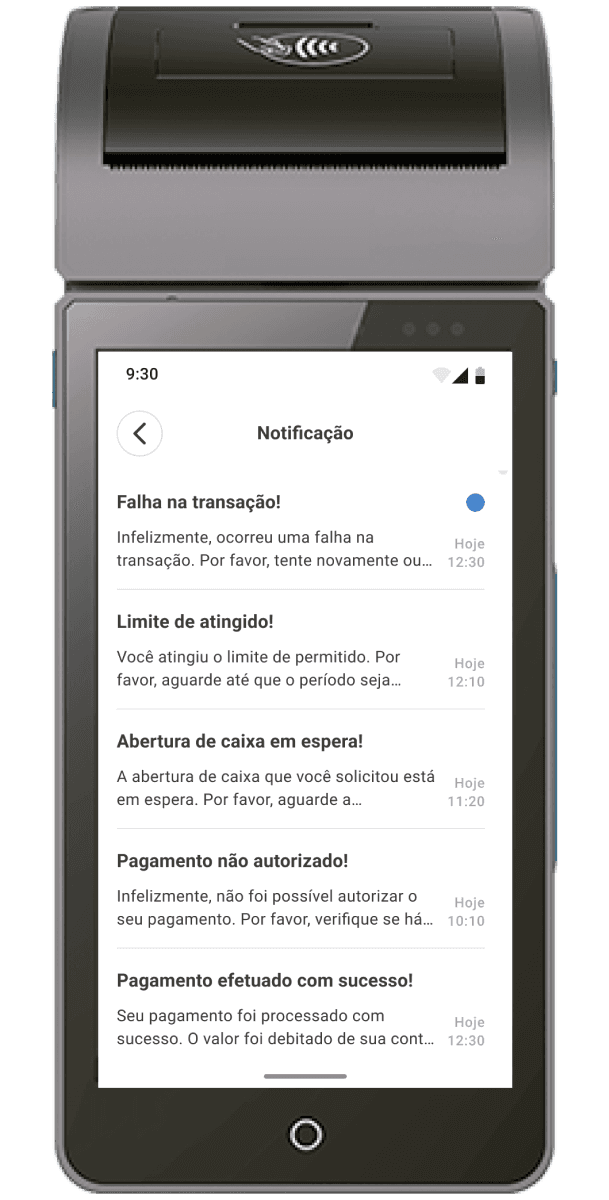
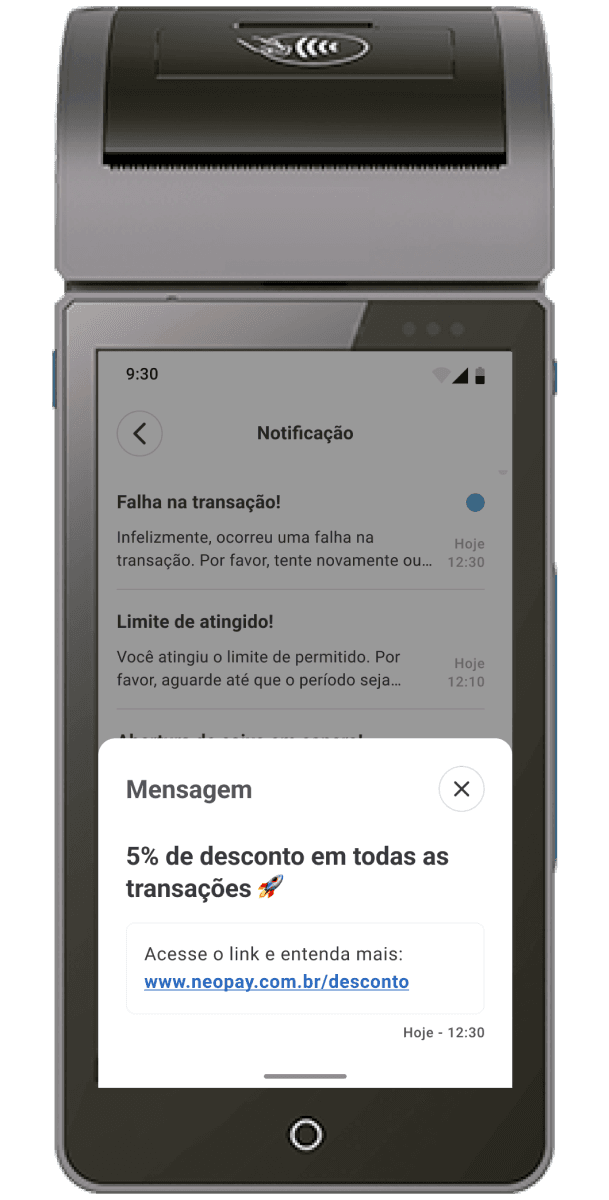
Notification center
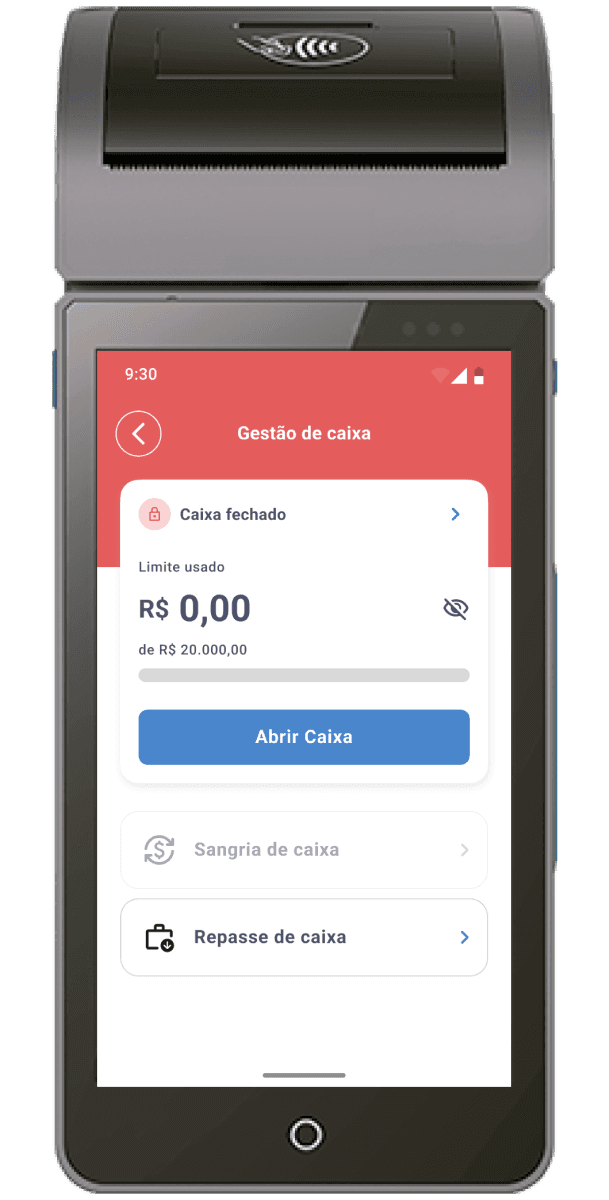
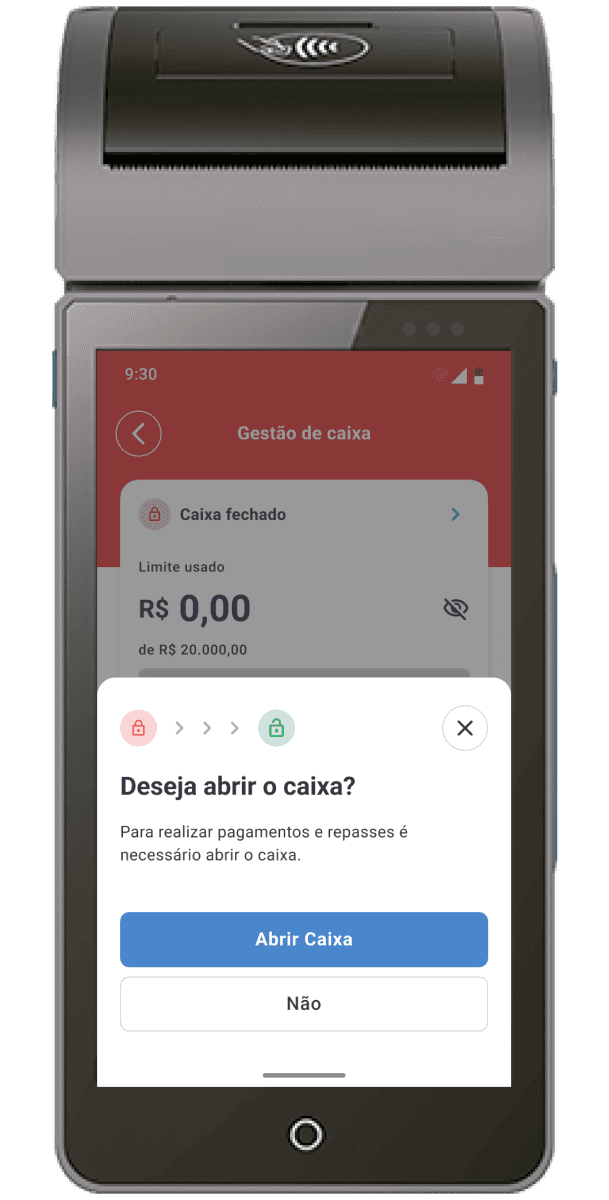
Money management
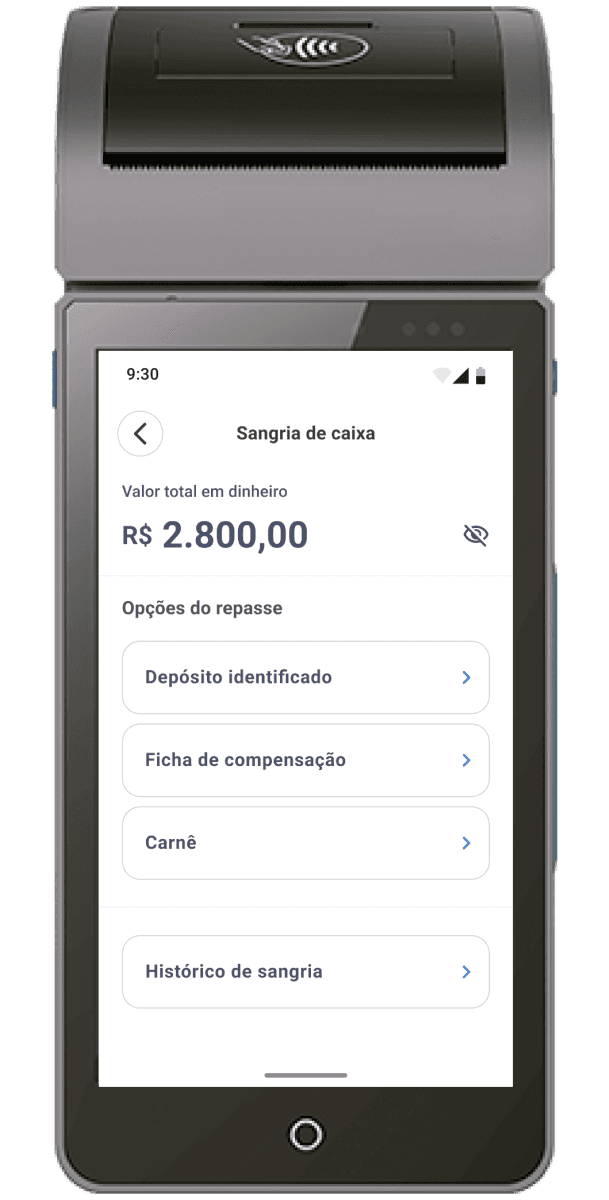
Money transfer
500 legacy POS replaced with
new Android terminals
Potential reach
What I'd do differently
I left the company shortly after the product launched, so I didn't have the opportunity to follow up on post-launch metrics or iterate based on real usage. Looking back, I'd have documented more hypotheses upfront, so that even without continuity, the questions would exist somewhere. That habit has stayed with me since.
Retrospective
This project reshaped how I think about design in operational environments.
Three things stood out.
Designing for field conditions demands constraints-first thinking. Aesthetics come after the interface survives the real world.
A well-structured design system is a business asset. Ours directly reduced engineering friction at handoff and made the 6x hardware expansion feasible without rework.
Competitive analysis in a niche market isn't about features, it's about finding the one gap nobody solved. For Neopay, that gap was native utility bill integration.